
Amid rising killings, mass abductions, and worsening insecurity across Nigeria, several state Houses of Assembly have begun preparations to debate the creation of state police. The renewed momentum follows President Bola Tinubu’s appeal to the National Assembly last week to legalise state policing as part of ongoing constitutional amendments.
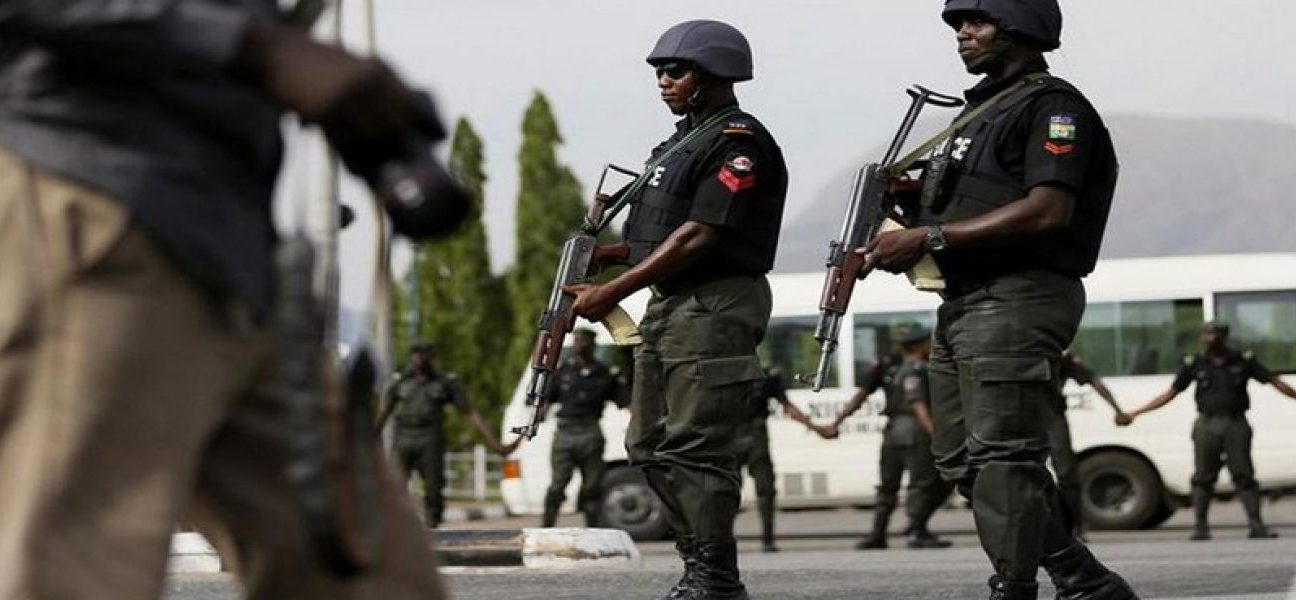
Nigeria has witnessed a resurgence of violent banditry and terrorist attacks in multiple regions, while kidnapping syndicates continue to overwhelm the limited federal security infrastructure. With fewer than 400,000 federal police officers responsible for securing a population of over 200 million, many communities remain largely unprotected, a gap security experts say contributes to the escalating violence. In response, President Tinubu declared a national security emergency and directed security agencies to commence large-scale recruitment.
The creation of state police is one of the major items in the current constitutional review, which Deputy Speaker Benjamin Kalu confirmed will soon be transmitted to all 36 state assemblies for consideration. In Plateau State, which has endured some of the deadliest attacks in recent years, lawmakers say they are prepared to support the reform. A senior assembly source noted that legislators are ready to adopt any measure capable of ending the recurring violence. The Speaker, Daniel Naalong, also wrote an open letter to the National Assembly, urging speedy action and insisting that concerns over potential political misuse should not overshadow the urgent need to save lives.
Communities in Bokkos, Barkin Ladi, Bassa, Mangu, Riyom, Wase, Qua’an Pan, and Jos South have suffered repeated attacks that have left thousands dead and displaced. Similar sentiments are emerging in Sokoto State, where lawmakers say they are willing to fast-track any legislation establishing state police. One ranking member pointed to the success of the state’s Community Guard Corps as evidence that locally controlled security outfits are effective.
The Borno State House of Assembly has also declared its readiness to adopt the amendment once the National Assembly forwards it. In Kaduna State, Governor Uba Sani reiterated his call for the immediate creation of state police, warning that Nigeria’s centralised policing model can no longer protect the country adequately. He emphasised that the country’s limited number of federal police officers leaves many rural communities without a meaningful security presence.
Zamfara State, considered the epicentre of banditry, says it will soon send its own state police bill to the Assembly. Governor Dauda Lawal’s aide on Media and Communication, Mustafa Kaura, stressed that the state has long desired local policing and already operates Community Protection Guards to supplement security efforts. In Kano State, deliberations on state police are expected to begin as soon as lawmakers resume from recess in mid-December.
Attempts to obtain the position of the Bauchi State Assembly were unsuccessful, though earlier records show the House had expressed support for constitutional amendments enabling state police. In Nasarawa State, the House Committee on Information says it has yet to receive a formal proposal, but the governor’s media aide, Peter Ahemba, believes local police would significantly improve intelligence gathering and response time.
Meanwhile, Ondo State says it has no need for a fresh debate, as its Security Network Agency, Amotekun, already operates as a functional state-level policing system. The Chairman of the House Committee on Information and Orientation, Tunji Fabiyi, said Amotekun’s effectiveness has been unmatched in the South-West, and the governor recently approved the recruitment of 500 additional corps members to further strengthen security.
Gombe State lawmakers have yet to begin debate on the matter, though discussions may commence after an upcoming legislative retreat in Calabar. Across the country, support for decentralised policing continues to build, with many state governments acknowledging the limitations of the current federal structure.
However, no state can legally establish its own police force without a constitutional amendment. Nigerians now await the National Assembly’s next steps, which could determine whether the country finally transitions to a multi-layered policing system capable of addressing the deepening security crisis.